

Why “Anonymous Data” Might Not Be Anonymous Under GDPR
March 16, 2026
•

2 min read
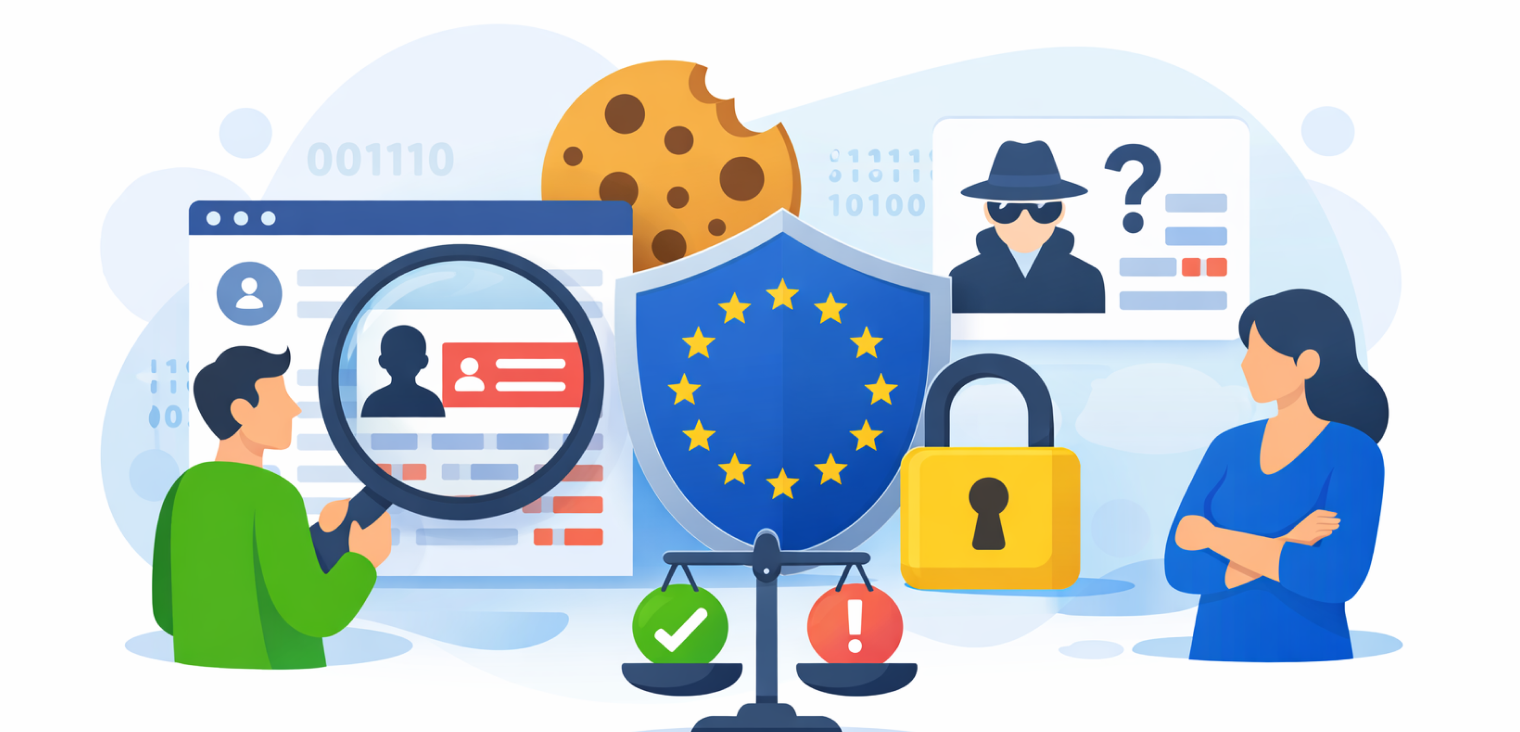
Table of contents
back
to the top
Why “Anonymous Data” Might Not Be Anonymous Under GDPR
Introduction
Many companies rely on “anonymous” data but GDPR has a strict definition.
And most data isn’t truly anonymous.
1. Pseudonymous ≠ Anonymous
Data is not anonymous if it can be:
-
Re-identified
-
Linked
-
Combined
2. Common Examples That Are NOT Anonymous
-
IP addresses
-
Device IDs
-
Analytics identifiers
-
Hashed emails
3. Re-Identification Risk Matters
If re-identification is reasonably possible, GDPR applies.
4. Why This Impacts Consent
If data isn’t anonymous:
-
Consent may be required
-
Transparency is mandatory
-
Users have rights
5. Cookiepal Helps Prevent False Assumptions
Cookiepal ensures:
-
Cookies are categorized correctly
-
Tracking isn’t mislabeled as anonymous
-
Transparency stays accurate
Final Takeaway
If data can point back to a person — GDPR applies. Cookiepal helps businesses avoid dangerous assumptions about anonymity.
Sources & References
Explore further
What Your Blog's Privacy Policy MUST Say Under GDPR
Even personal blogs aren’t exempt from GDPR. This guide breaks down the essential sections every compliant privacy policy must include.
February 06, 2026
3 min

How to Choose a Certified Google CMP Partner
Choose a certified Google CMP partner with Google certification, privacy law compliance, user-friendly features, and reliable support.
December 15, 2024
2 min

GDPR and Email Marketing: How to Stay Compliant
Ensure GDPR compliance in your email marketing by following best practices for consent, clear opt-out options, and accurate data management.
September 13, 2024
2 min